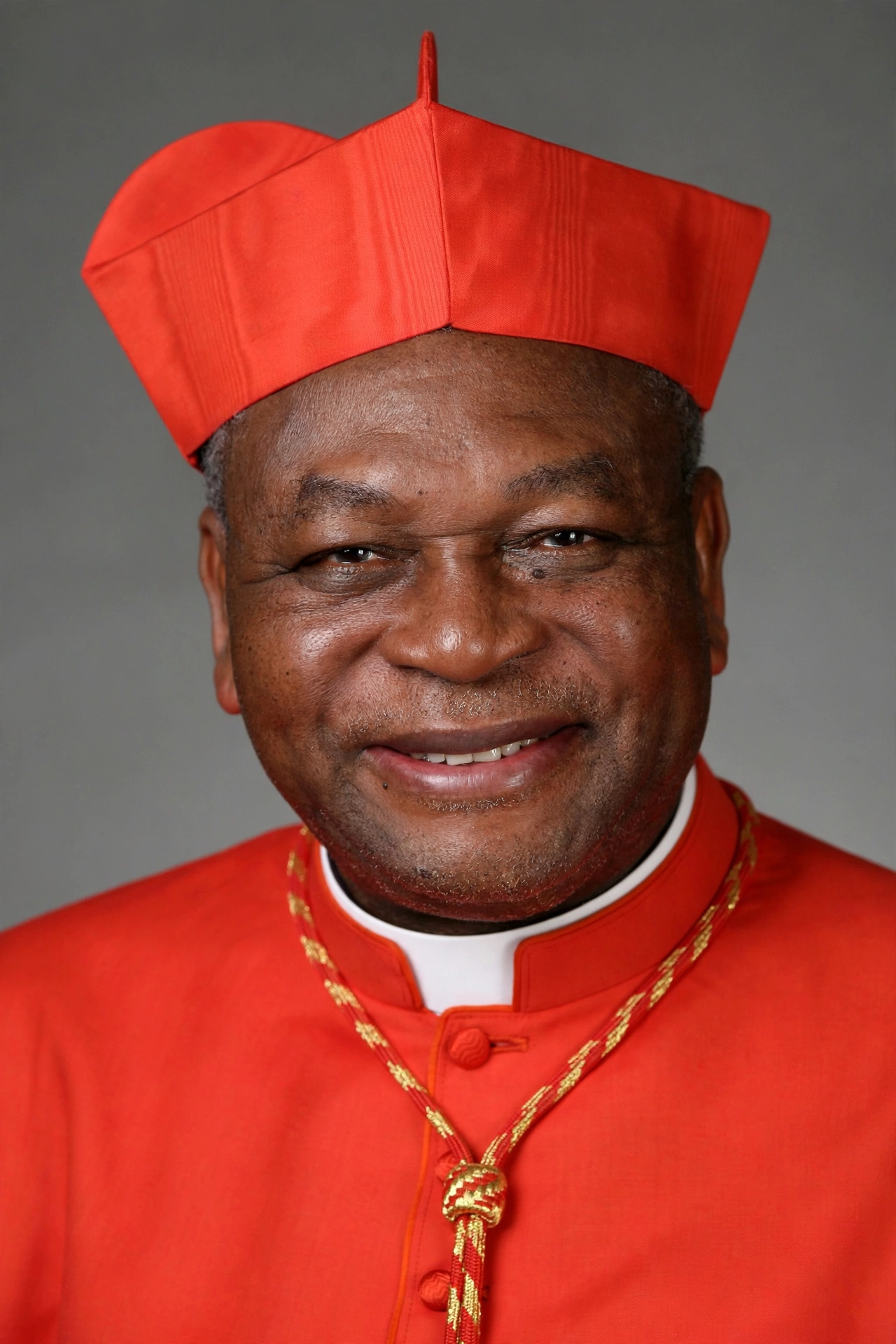
Cardinal John Onaiyekan, is the Voice of Reason: From Shagari to Tinubu, through the Catholic Bishops’ Conference of Nigeria (CBCN), he has consistently spoken truth to power. To suddenly brand him partisan is either ignorance or deliberate mischief.
Those who currently control the levers of power in Nigeria have little tolerance for constructive criticism or dissent. Rather than address the issues being raised, they often choose to attack the messenger.
Cardinal John Onaiyekan: Speaking Truth to Power in Nigeria (1979–2025)
The claim that it is only now that religious leaders have begun criticizing President Tinubu collapses once you examine Cardinal John Onaiyekan’s record.
From Shagari to Tinubu, through the Catholic Bishops’ Conference of Nigeria (CBCN), he has consistently spoken truth to power. To suddenly brand him partisan is either ignorance or deliberate mischief.
1.Shagari (1979–1983)
As Bishop of Ilorin from 1982, Onaiyekan joined the CBCN in condemning the 1983 election rigging, political violence, and the Maitatsine crisis. They warned that democracy dies when the people’s will is stolen.
Source: CBCN Pastoral Letters (1980–1983); Vanguard, 14 February 2019.
Question: Where was your outrage then? Is election rigging only wrong when your party is not in power?
2.Buhari’s Military Regime (1983–1985)
The CBCN criticized Decree 2 (detention without trial) and Decree 4, which targeted journalists. Their position was clear: fight corruption, but within the rule of law.
Source: O.N. Anene, The Catholic Church and Human Rights (1960–1999); ThisDay, 31 December 2018.
Question: Why was the Cardinal not labelled unpatriotic then? Was due process only important under military rule?
3.IBB (1985–1993)
As Archbishop of Abuja, Onaiyekan helped the CBCN reject the annulment of the June 12 election. The 1993 pastoral letter described it as a betrayal of democracy and also criticized the Structural Adjustment Programme (SAP) for worsening poverty.
Source: CBCN Pastoral Letter, October 1993; Premium Times, 12 June 2018.
Question: Why was defending June 12 not considered treason then, but demanding electoral integrity today is?
4.Shonekan (1993)
With Onaiyekan serving as CBCN Secretary, the Church urged the Interim National Government to announce a clear election timetable and stop the use of force against protesters.
Source: Africa Confidential, Vol. 34, No. 20 (1993).
Question: Why was this not seen as an attack on government?
5.Abacha (1993–1998)
Onaiyekan condemned human rights abuses, the detention of Chief M.K.O. Abiola, and the absence of a genuine democratic transition.
Source: Human Rights Watch, Nigeria: The Abacha Years; CBCN Communiqués (1994–1997).
Question: Why was he not condemned for demanding Abiola’s freedom?
6.Abdulsalami (1998–1999)
The CBCN called for free and credible elections and warned against military interference in the transition process.
Source: TMG Report (1999); The Guardian, 2 March 1999.
Question: Why was that not described as destabilization?
7.Obasanjo (1999–2007)
As CBCN President and later Cardinal, Onaiyekan strongly opposed the Third Term agenda. He also criticized the 2003 and 2007 elections, corruption, and the Niger Delta crisis.
Source: CBCN Pastoral Letter, March 2006; ThisDay, 16 May 2006.
Question: Where were today’s defenders of power then?
8.Yar’Adua (2007–2010)
The CBCN welcomed President Yar’Adua’s admission that the 2007 elections were flawed while urging implementation of the Uwais Electoral Reform Report and stronger action against poverty and insecurity.
Source: CBCN Communiqués (2008–2009); Punch, 11 September 2008.
9.Jonathan (2010–2015)
Onaiyekan spoke out on Boko Haram, the Chibok girls’ abduction, corruption, and reminded government that security is its foremost responsibility. He also commended Jonathan’s peaceful concession in 2015.
Source: CBCN Pastoral Letter, April 2014; Reuters, 15 April 2014.
10.Buhari (2015–2023)
He criticized insecurity, herders’ attacks, the 2019 elections, and nepotism, while also acknowledging genuine anti-corruption efforts where appropriate.
Source: CBCN Communiqués (2016–2022); Daily Trust, 22 January 2020.
11.Tinubu (2023–Present)
Since 2023, Onaiyekan has spoken on the removal of fuel subsidy without adequate social protection, rising poverty, and concerns over the credibility of the 2023 elections. His message remains unchanged: protect the poor, uphold the rule of law, and ensure that every vote counts.
Source: CBCN Pastoral Letter, August 2023; Arise News, 18 September 2023.
Conclusion:
The historical record is clear. Cardinal John Onaiyekan criticized Shagari over election rigging, Buhari’s military regime over draconian decrees, IBB over the annulment of June 12, Abacha over the detention of Abiola, Obasanjo over the Third Term agenda, Jonathan over insecurity, Buhari over insecurity and nepotism, and now Tinubu over the economy and the welfare of Nigerians.
He did not start today. His message has remained consistent for over four decades.
Those attacking him today should answer a simple question: if he was not partisan when he challenged previous governments, why is he suddenly partisan now?
The problem is not the Cardinal. The problem is an unwillingness to confront the issues he has raised. When facts become inconvenient, attacking the messenger becomes the easiest option—but it does not change history.
_John Okey Onoh, PhD.
Whether one agrees with Cardinal John Onaiyekan or not, the historical record speaks for itself. He has consistently spoken truth to power across different administrations, irrespective of political party or personality. That consistency is what gives his voice credibility.
Those who dismiss his criticisms today, while celebrating his courage when he challenged previous governments, are applying double standards. Democracy is strengthened when respected voices can hold those in authority accountable without fear or intimidation. Rather than attacking the messenger, the focus should be on honestly addressing the issues he has raised.
_Aare Amerijoye DOT.B
Director General,
The Narrative Force.