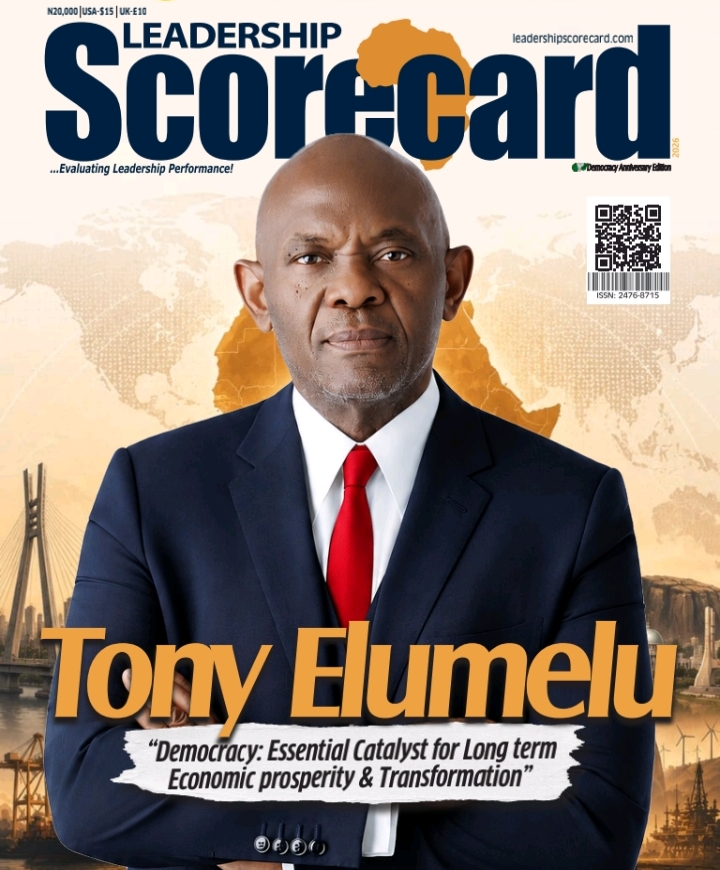
“Abdulsalami’s Actions Proof Of Selflessness, Commitment To Nigeria” said Elumelu.
Businessman Tony Elumelu has credited General Abdulsalami Abubakar’s decision to hand over power within twelve months for laying the foundation of the private sector-led economy Nigeria enjoys today. In a documentary interview to mark General Abdulsalami Abubakar (Rtd)’s 84th birthday, Elumelu traced his own journey from founding Standard Trust Bank in the dying years of military rule to its merger with United Bank for Africa in 2005, and explained why he believes Nigerian schools must return history to the curriculum.
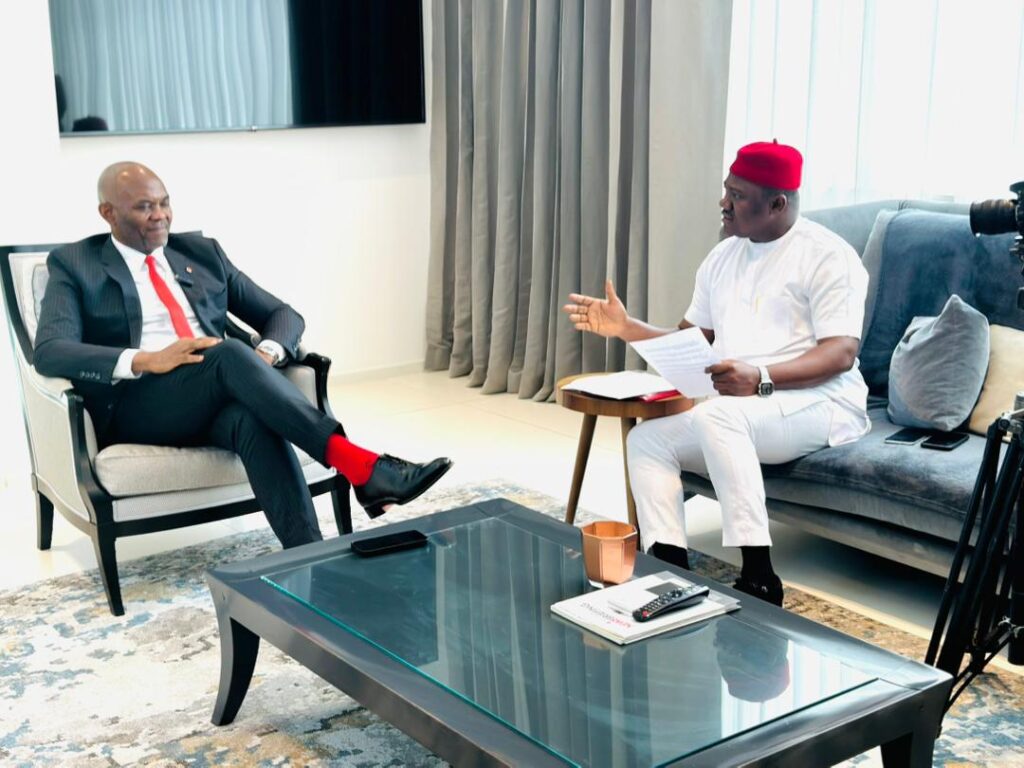
How would you describe your relationship with General Abdulsalami Abubakar?
We have known each other for a long time, and I have always seen him as an elder statesman and a mentor. I recall that, in 2010, when I was retiring as CEO of United Bank for Africa, we produced a documentary on my stewardship, and General Abdulsalami Abubakar (Rtd.), who was a shareholder in the bank, was one of those who spoke about me. So, it is an honour to have this privilege to speak about a man held in such high esteem. As a private sector person, we recognise that democracy is fundamental and foundational to economic transformation and to business prosperity. What he did for Nigeria was a moment in history. God allowed him to lead the country at that critical time, and honestly, the word ‘selfless’ barely captures it. Despite the pressure on him, he decided to complete the transition programme within 12 months, and he delivered it. As a private sector person, that is a moment we cannot forget because it was also what unleashed the vibrant, private sector-led economy we see today. He laid the foundation, and subsequent presidents, starting with President Obasanjo, took the reforms further. We still have a long way to go, but we thank God we started when we did.
Before 1999, how did you conduct business and what were the risks and limitations that most people never spoke about?
I think, as a people, we should be forward-looking. It is good to know our history so that it can guide our progress, but I would rather speak on what happened following the foundation of democracy that Abdulsalami laid for Nigeria. I am a product of that new economy. We founded Standard Trust Bank in 1997, and I became its CEO that same year. By the time the handover occurred in 1999, business began to blossom. We started Standard Trust Bank from ashes, so to speak, and by 1999 and 2000, leading into 2004 and 2005, we had grown considerably. That fresh democratic era ushered in economic opportunities for all of us. The foundation was built late, but successive governments have continued to build on it. We took Standard Trust Bank from a distressed institution in 1997, and by 2005, it had grown to a scale that allowed us to merge with the United Bank for Africa. A great deal of progress happened in Nigeria following the advent of democracy. It has been like day and night.
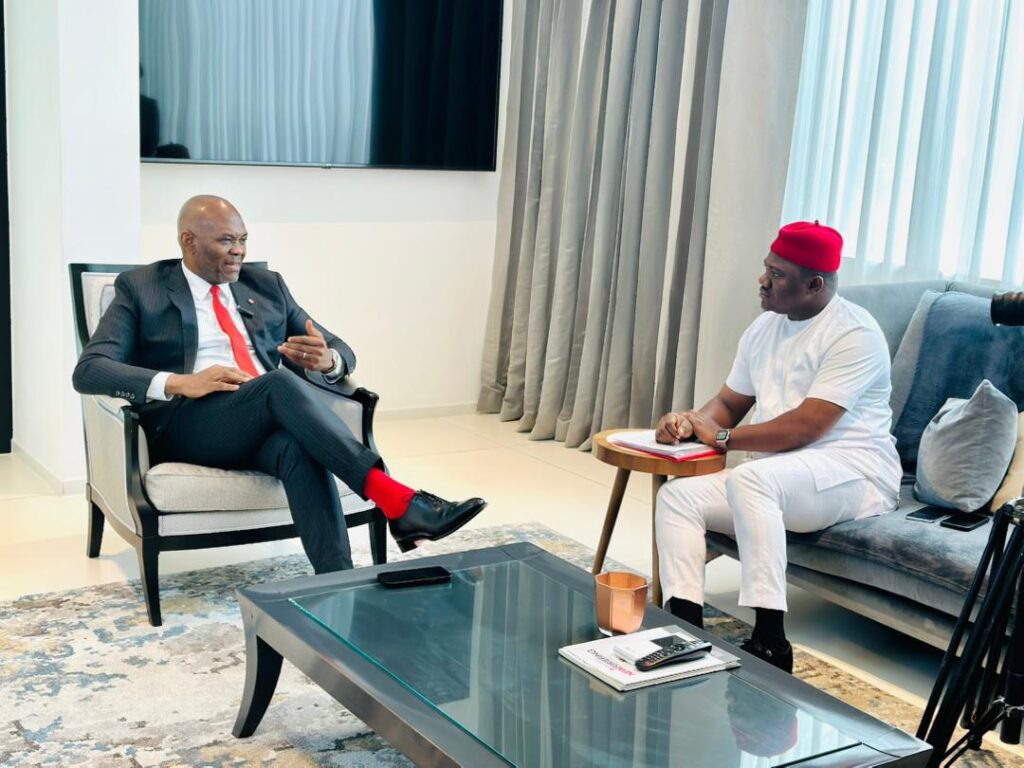
With the economic deregulation that democracy brought in 1999, what would you say about access to both local and foreign capital and whether the transition built international confidence for foreign direct investment?
Democracy is always a stepping stone for economic prosperity. It encourages investors, both local and foreign, to put their money into a country. Once you have the rule of law and an independent judiciary, things are done differently. You are no longer ruled by decrees. You have a legislative, democratic process, and people gain more confidence in the economy. In growing Standard Trust Bank, we benefited directly from this. We gained access to credit lines, and new investors began seeking banking relationships with us and with other banks as the sector liberalised and improved. The democracy that Abdulsalami put in place was very good for business, and it remains good for business today. I must commend him and all those who took over from him, starting with President Obasanjo, as well as those in the National Assembly and the judiciary, and most importantly, those who fought for our democracy, including our current president, Sen. Bola Tinubu. It has been a collective effort by everyone, and we owe a great deal of gratitude to all of them. What they did was foundational, and there is still much more to be done before the average Nigerian truly feels the benefits of democracy, but the journey has begun and is in motion. I am sure we will get there.
Looking at his legacy in peace and conflict resolution, democracy, international relations, and life after the presidency, how has he continued to make an impact as an elder statesman?
I am not a politician, so I cannot speak to that with authority, but I believe what I have already said captures it. For me, the biggest legacy of Abdulsalami is his selflessness in conceptualising, managing, and executing a credible transition from military to democratic rule. At a time when he had every justification to stay on for two, three, four, or even five years, he chose to do it within 12 months. That is a commitment to Nigeria. That is dedication to Nigeria. That is selflessness for the people of Nigeria. As a private sector person, we are reaping the benefits of that decision to this day. I also commend those who took over from him and the entire Nigerian public for sustaining and nurturing that democracy. There is room for improvement, but at least we are no longer under military rule.
Why do you think publishing this memoir now is important and what role will it play in preserving Nigeria’s democratic history?
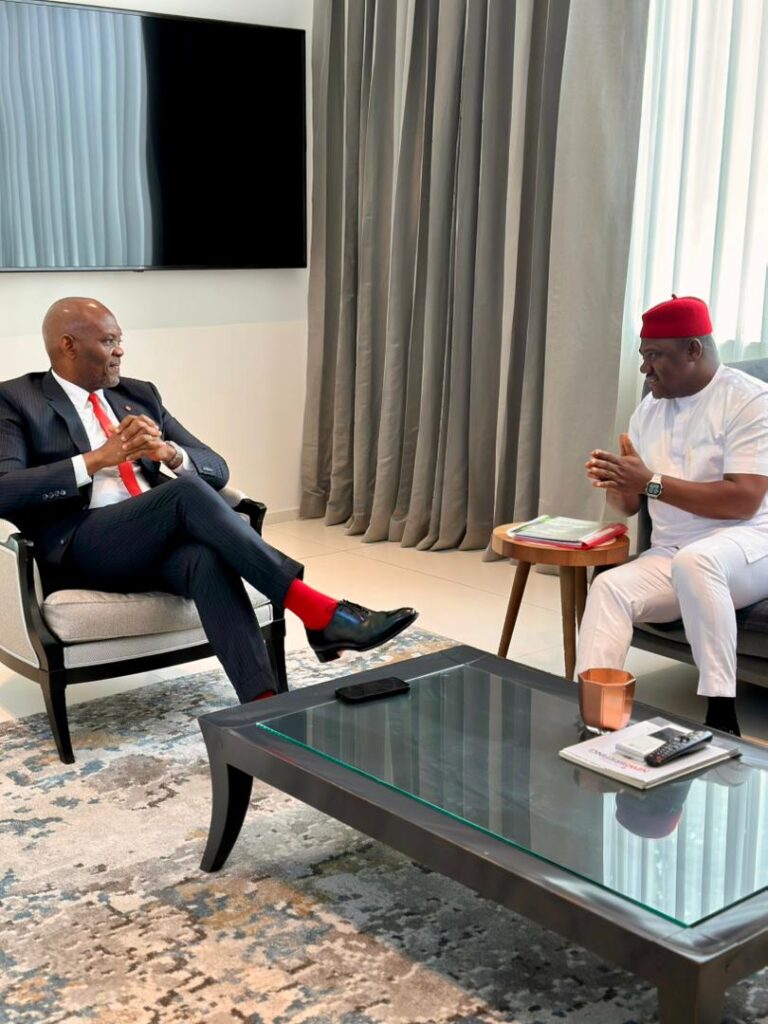
Let me use this opportunity to call on the Nigerian government to revisit the teaching of history as a subject in our schools. It breaks my heart that we no longer study history. History helps us know the past, and the past prepares us for the present and the future. How can we not tell our children the history of Nigeria when the rest of the world continues to study its own history?
What we are doing in celebrating Abdulsalami and documenting his story is a good thing because it encourages others to live good lives, so that they too will be remembered by posterity. What they are doing is not just for Abdulsalami but for all of us as Nigerians. We need to tell our stories. We need our children and our children’s children to know how democracy started and how it returned to Nigeria. When people watch documentaries like the one on Abdulsalami, they are inspired, encouraged, and motivated to play their own part so that history will remember them too. I call on the Nigerian government to revisit whatever led to history being dropped from our secondary school curriculum. We must tell our stories and teach our children our heritage and keep it going. If there is any part of our history that still haunts us, let us correct it.