OUAGADOUGOU — After pushing France out, deepening its security ties with Russia, and helping lead an anti-Western turn across the Sahel, Burkina Faso has opened a new chapter with another Western state: Germany.
The partnership was sealed in Ouagadougou on November 6, during a ceremony at the German ambassador’s residence marking the 36th anniversary of German reunification.
It was not a celebration of Burkina Faso’s own reunification, but of Germany’s — and Ouagadougou used the occasion to signal that its break with Paris does not mean a break with every Western capital.
A new partner, an old relationship
Germany’s Ambassador to Burkina Faso, Dietrich Becker, reaffirmed Berlin’s commitment to strengthening bilateral relations and welcomed Burkina Faso’s efforts to strengthen its sovereignty, despite the strong anti-West sentiments that have defined the Alliance of Sahel States (AES).
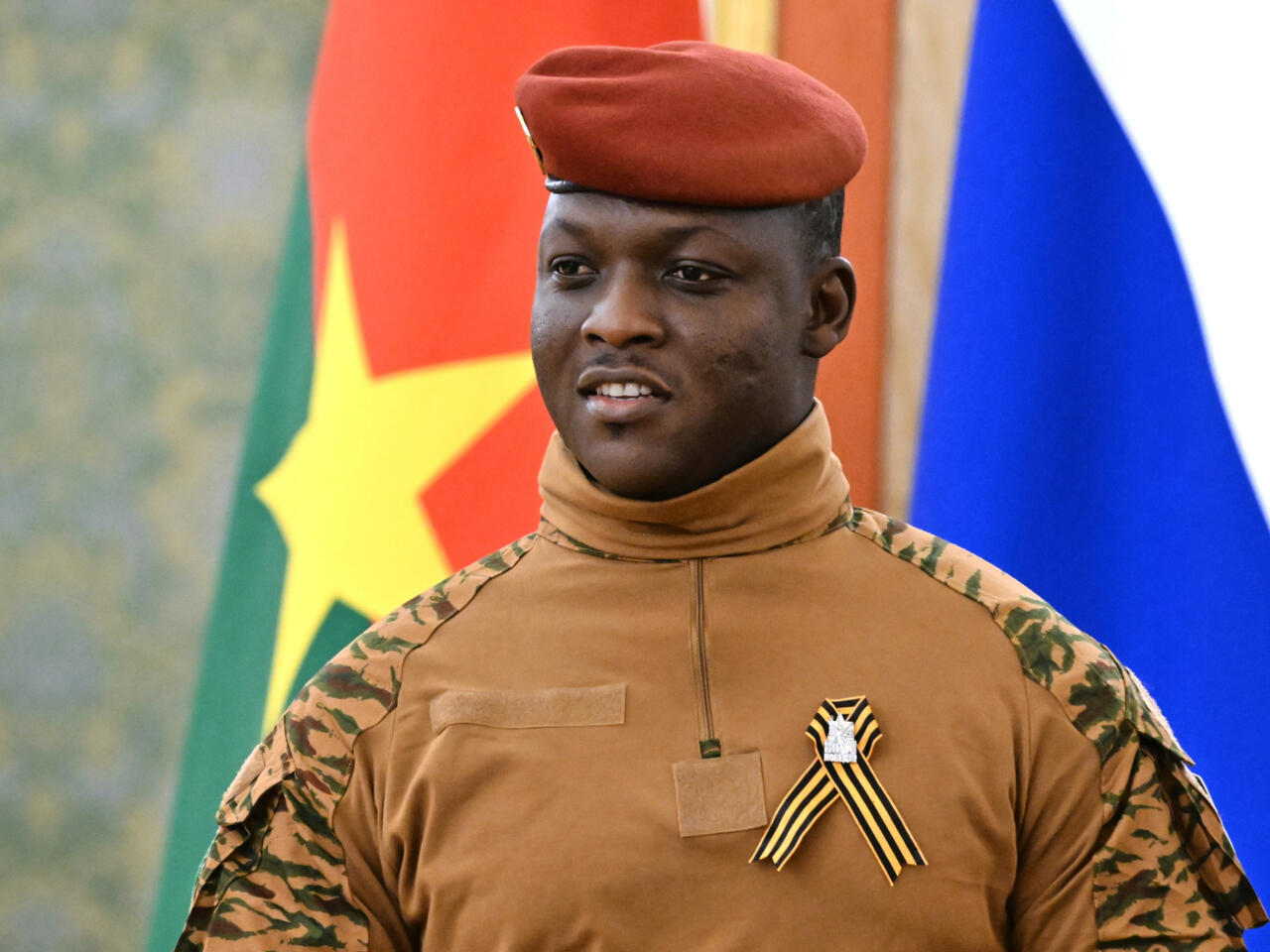
Burkina Faso was represented by Deputy Foreign Affairs Minister Stella Eldine Kabré Kaboré, who delivered fraternal greetings from President Ibrahim Traoré to the German president and people, according to reports from the event.
Kaboré pointed to a long history between the two countries, noting a cooperation agreement signed in 1971 that has since expanded to cover agriculture, energy, water and sanitation, social protection, and financial governance.
Becker, for his part, stressed peaceful coexistence, respect for international law, respect for national borders, and opposition to aggressive warfare. He also welcomed the resumption of talks between ECOWAS and the AES countries, saying: “we have far more in common than differences.”
What the deal covers
At the centre of the new engagement is Germany’s support for Burkina Faso’s national development plan, known as RELANCE, which focuses on economic reconstruction, strengthening national production, and improving living conditions.
The partnership will prioritise:
- Drinking water: improving access across communities • Agriculture: establishing value chains for processing agricultural products • Industry: developing sustainable industrialisation • People-to-people ties: more training opportunities for young Burkinabé in Germany and a stronger presence for the Goethe-Institut
Germany’s support for Burkina Faso is part of its RELANCE programme, focusing on improving access to drinking water, processing agricultural products, and developing sustainable industries.
Why the timing matters
Burkina Faso, along with Mali and Niger, officially withdrew from the Economic Community of West African States (ECOWAS) in January 2025 to form the AES.
The military-led governments have since systematically dismantled French influence, expelling French counter-terrorism forces and, in June 2026, Burkina Faso cut all diplomatic relations with Paris, accusing it of “neo-colonialist ambitions.”
In place of France, the AES countries have turned to Russia, which has become the guarantor of their security and political survival through the deployment of the Africa Corps and agreements on arms supplies, satellite data, and nuclear energy.
That context is why the Germany deal has drawn attention on social media, where it has been framed as Burkina Faso partnering with another Western state after pushing France out and moving closer to Russia.
Hedging, not a U-turn
Despite the pivot toward Moscow, Germany’s engagement suggests Burkina Faso is not completely closing the door to Western partnerships.
Analysts describe the move as hedging: maintaining Russia as its primary military protector while restoring economic and trade relations with other international partners.
For now, the partnership represents a calculated move to secure development funding and technical support without compromising its security relationship with Russia.
As one report put it, Ouagadougou is willing to engage with any partner that respects its sovereignty and supports its national development agenda.
The limits remain
The broader geopolitical realignment has not come without cost. Despite the presence of Russian forces, jihadist and separatist attacks in the Sahel persist and are becoming more powerful, highlighting the limits of the current security arrangement.
Many have also warned that the exchange of minerals for military protection may exhaust the countries in the long term, potentially replacing Western colonialism with a new form of asymmetric dependence on Moscow.
For Burkina Faso, the message from November 6 was therefore twofold: sovereignty is non-negotiable, but sovereignty alone does not build water systems, factories, or farms. Berlin, at least for now, is being invited to help build them.