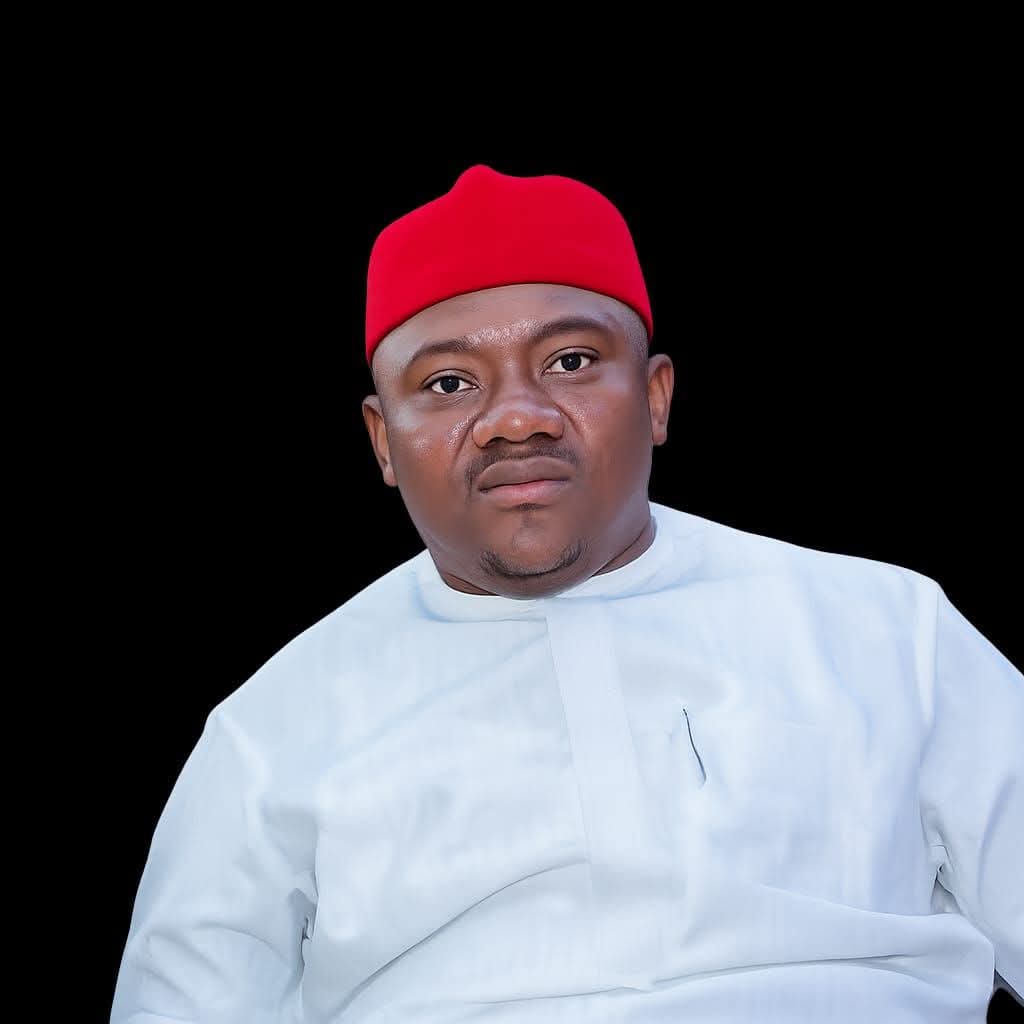
As political permutations quietly gather momentum ahead of 2027, one name that continues to surface in political circles and elite discussions is Hon. Prince Humphrey Onyima. After he has officially declared interest in the race, stakeholders across Enugu West Zone increasingly cite his professional depth and administrative capacity as assets the Senatorial Zone cannot afford to ignore.
Hon. Humphrey Onyima’s profile cuts across enterprise, public policy advocacy and structured philanthropy. A trained professional with years of experience in corporate leadership, he has built institutions rather than personal cult followings — a trait many analysts argue is sorely needed in a zone battling infrastructural deficits, youth unemployment and fiscal fragility.
The Enugu West Senatorial district faces are not abstract; they are deeply human. Over 60% of the electorates live in multidimensional poverty. Young people, despite their potential, are locked out of opportunity due to unemployment and a broken education system. Infrastructure remains underdeveloped. These are the real issues that must dominate the 2027 agenda.
Onyima’s formative years were shaped by the economic realities of the South East. That early exposure to both grassroots struggles and urban enterprise informed what associates describe as his results-driven orientation. Over the years, he has maintained strong ties to his home communities while operating at national and international levels of business engagement.
Unlike career politicians whose trajectories are tied to electoral cycles, Onyima’s career evolved within the private sector, where performance metrics are unforgiving and outcomes measurable. Supporters argue that such exposure cultivates prudence, strategic planning and long-term vision — competencies critical for subnational governance in a competitive federal system.
Observers note that technocratic governance — anchored in data, institutional reform and transparent budgeting — may offer a pathway to sustainable growth in Enugu West Senatorial District of Enugu State. In this regard, Onyima’s corporate governance background is often highlighted as a comparative advantage.
Beyond enterprise, he is reputed for targeted philanthropy — particularly in youth empowerment, skills development and small business support. Rather than episodic handouts, his interventions are structured around capacity building. For a Senatorial District with a large youth population and rising migration pressures, such an approach signals a governance philosophy rooted in productivity rather than patronage.
Political watchers insist that Enugu West’s next phase requires a core professional — someone insulated from transactional politics and capable of building systems that outlast personalities. The argument is not merely about technocracy, but about credibility in negotiating investment, restoring investor confidence and repositioning the Senatorial Zone as a competitive economic hub within Enugu State.
Critics may counter that governance is ultimately political, not purely managerial. Yet even within that reality, modern subnational leadership increasingly blends political dexterity with managerial expertise. The demands for well infrastructured leadership, digital governance representation, and public-private partnerships require leaders comfortable in boardrooms as much as in campaign grounds.
That Hon. Onyima has officially indicated interest in contesting has not stopped conversations about his suitability. In many quarters, the debate is less about ambition and more about capacity. As succession politics gradually shape the 2027 discourse in Enugu West Senatorial district, stakeholders appear to be widening the lens beyond traditional power blocs.
Whether or not he eventually wins the ticket for the 2027 Senatorial race, the recurring mention of Humphrey Onyima underscores a broader sentiment: Enugu West’s future may hinge on elevating competence above noise.
In a political climate often dominated by slogans, the call for professional stewardship is growing louder — and figures with demonstrable expertise are increasingly central to that conversation.
As Ndi Enugu West looks ahead to the 2027 election, there is an urgent need to redefine the political narrative and set a new agenda that speaks directly to the hopes of millions suffering under the weight of poverty, corruption, insecurity, and poor governance. What Enugu West needs now is not just another electoral cycle; it needs a political reset. The toxic politics that have defined our State political dynamics discourse for far too long must give way to a new culture grounded in tolerance, accountability, and a shared commitment to a holistic political, economic and overall sustainable development through adequate representation.
EMEKA LAZARUS UGA, is a political Scientist, public affairs analyst and a seasoned journalist.