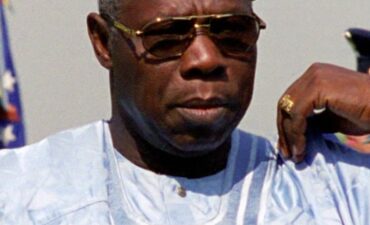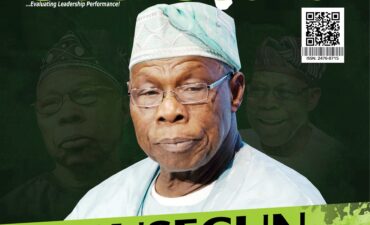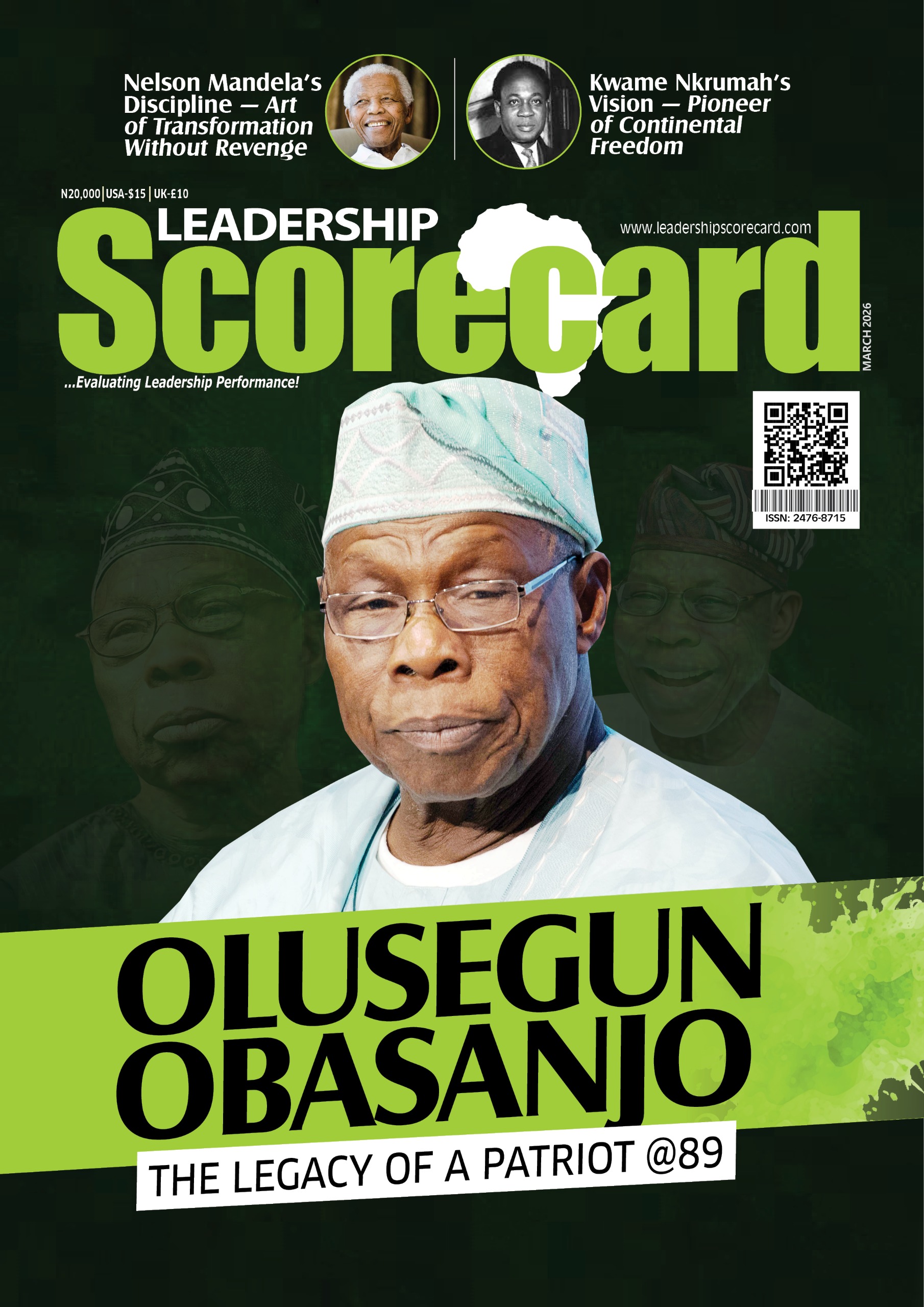
As Olusegun Obasanjo turns 89, we must remind ourselves that leadership is not merely about occupying office but about shaping direction, sustaining institutions and stewarding national purpose. His journey from military head of state to democratically elected president reflects a rare continuity of service across political eras.
At a time when transitions in Africa often faltered, his role in stabilising Nigeria’s Fourth Republic helped anchor democratic governance in one of the continent’s most consequential states.
Good leadership, as Africa’s history shows, carries distinct hallmarks.
Kwame Nkrumah embodied visionary ambition, insisting that political independence must be matched with economic emancipation and continental solidarity.
Nelson Mandela demonstrated moral authority, proving that reconciliation is not weakness but strategic strength in fractured societies.
Kofi Annan illustrated principled diplomacy, elevating African statesmanship onto the global stage through quiet competence and ethical clarity.
Obasanjo’s legacy sits within this wider tapestry. His post-presidential mediation efforts across the continent echo a belief that African problems require African leadership anchored in experience and candour. Whether confronting debt relief negotiations or advocating agricultural transformation. He has often stressed pragmatism over rhetoric.
Leadership that works for Africa today must combine Nkrumah’s bold imagination, Mandela’s moral restraint and Annan’s institutional discipline. It must strengthen systems rather than personalise power. It must prioritise youth employment, regional integration and accountable governance. Above all, it must recognise that legitimacy flows not from longevity in office but from measurable improvements in citizens’ lives.
At 89, Obasanjo’s longevity invites reflection. The continent’s progress will depend on leaders who are courageous yet consultative, ambitious yet ethical and firmly committed to building nations that outlast them.
Leadership Scorecard celebrates a Nigerian and a Pan-African Statesman.
Leadership Scorecard Editorial, March, 2026.